
The scenario that worries everyone who rents
You rent a concrete mixer for a weekend project. When you return it, the owner says there is a crack that was not there before. You are certain you returned it in the same condition you received it. Who pays?
This situation comes up more often than people expect, not just with heavy tools, but with folding chairs, speakers, party tents, and stand-up paddleboards. The good news is that Brazilian law gives a clear answer. This article covers the key points, but it is not legal advice: consult a lawyer if you have a specific legal question.
What the Brazilian Civil Code says in plain language
The Brazilian Civil Code (Law 10,406/2002) regulates the rental of movable goods in articles 565 to 578. Three of them matter directly to anyone renting or lending on Alugoae.
Article 569 states that the renter must use the item only as agreed, care for it as if it were their own, pay the rental fee on time, and return it in the condition it was received, accounting only for normal wear from regular use. Article 570 adds that if the renter uses the item differently from what was agreed, or damages it through misuse, the owner can terminate the agreement and demand compensation. Article 575 is the most direct: if the renter is notified to return the item and does not, they keep paying and are responsible for any damages that occur, even accidental ones, though a court can reduce a clearly excessive charge.
Normal wear is not damage: understanding the difference
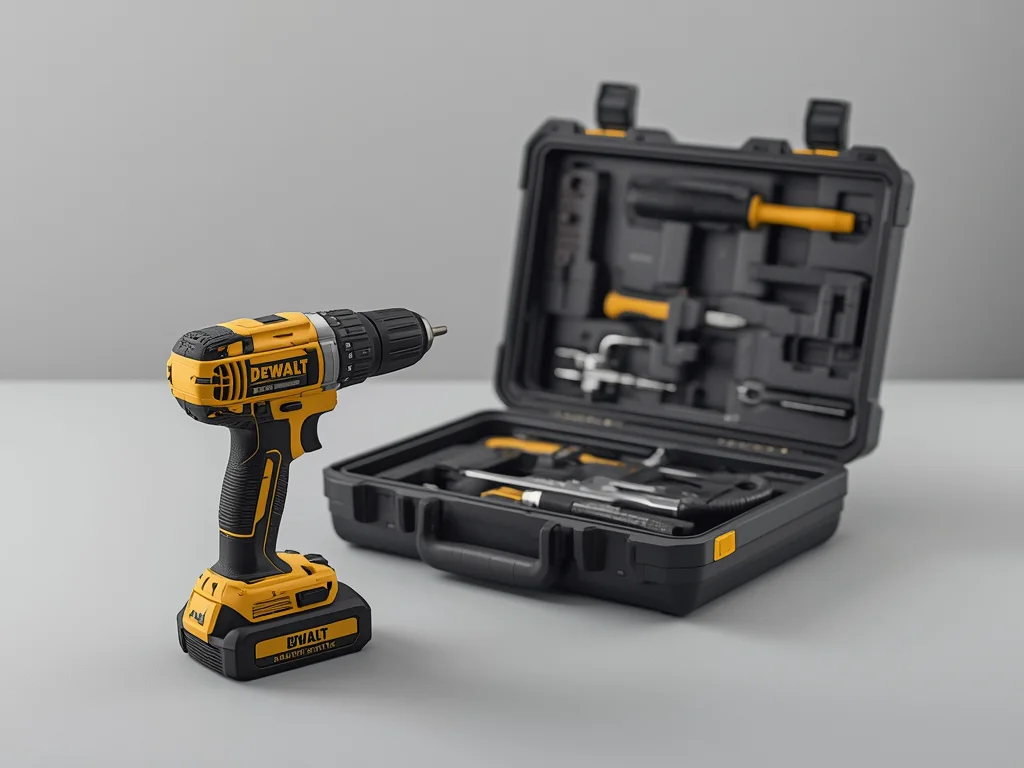
The law says the item must be returned in the condition it was received, except for deterioration from regular use. In practice, a drill that worked for three days will come back with the dust and wear of a drill that worked for three days, not looking brand new.
The distinction lies in how the item was used. A light scratch on the side of a speaker from normal handling is natural wear. A broken screen or a bent part from a drop is damage from misuse. When there is any doubt about which happened, photos taken before and after resolve the argument before it starts.
The same logic applies to a party tent that comes back with a small seam tear from use versus one that comes back with a bent pole from overloading. Context and photo evidence make all the difference.
The deposit's role when damage happens
The deposit exists precisely for this moment. When damage goes beyond normal wear and both parties agree on that, the deposit covers part or all of the agreed replacement cost.
If the repair or replacement cost exceeds the deposit, the parties need to negotiate. If it is less, the difference goes back to whoever paid the deposit. This is why owners should set the deposit amount in proportion to the item's actual value: a low deposit on a high-value piece of equipment offers very little protection.
Alugoae shows the deposit amount in the listing before the booking. This lets renters decide whether they agree with the terms before confirming.
Why photos and messages are your best protection
A timestamped photo taken at pickup and another at return resolves most disputes before they escalate. They show the item's actual condition at both moments and make it clear what is wear from use and what is new damage.
WhatsApp messages after acceptance complete that protection. If the owner noted in the chat that the item had a scratch on the handle before it left, no one can charge for that scratch at return. Both sides are protected by the same record.
Alugoae does not resolve legal disputes between parties, but the photo record, message history, and deposit are the practical tools that help the most when any disagreement comes up.
Frequently asked questions
If I return a damaged item, do I always have to pay the full replacement value?
Not necessarily. What matters is what was agreed between the parties. The deposit covers part or all of the damage as agreed. For larger amounts, the parties can negotiate directly.
What happens if damage occurs by accident, without any fault of mine?
Article 575 of the Civil Code states that, after being notified to return the item, the renter is responsible for damage even in accidental cases. For situations during normal use, liability depends on what was agreed. A lawyer can advise on each specific situation.
Does Alugoae settle disputes between renters and owners?
Alugoae provides the record-keeping tools, such as photos, message history, and deposit, that help resolve most cases. Formal legal disputes should be handled directly between the parties or with legal support.
Understand how the process works from request to acceptance before you rent.